
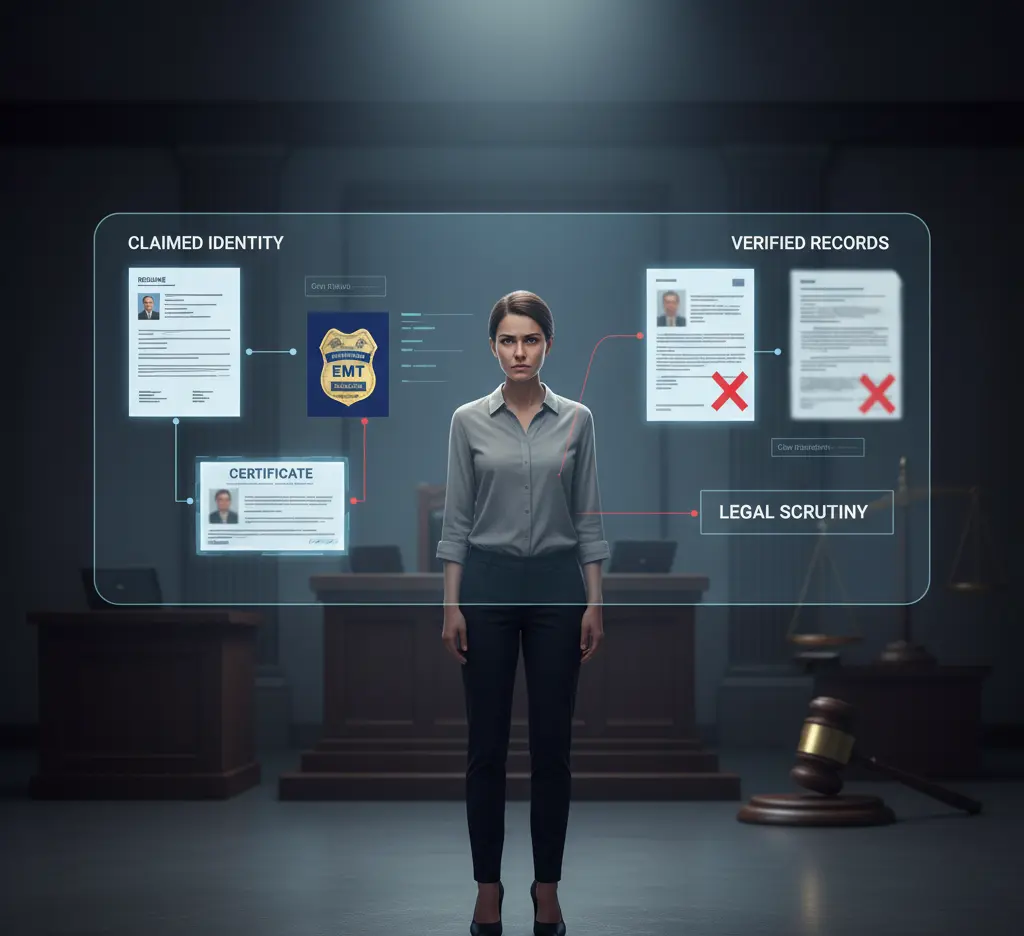
Introduction: Fact vs. Claim
If you watched The Perfect Neighbor and felt whiplash when Susan Lorincz called herself a doctor, you were not alone. The documentary leaves a breadcrumb trail of job claims, then the trial record and reporting fill in a more ordinary picture. She was not a physician. Her paid work history looks like a patchwork of insurance-related roles, brief stints in emergency medical services decades ago, and other hourly jobs long before the 2023 shooting that made her a household name.
Explore other career paths and how work history matters in public perception by visiting Zohran Mamdani’s job history.
| Employment Aspect | Susan Lorincz’s Claim | Verified Trial Record |
| Medical Title | Referred to herself as a “doctor” | No physician license or medical school records |
| Medical Training | Claimed current medical expertise | Served as an EMT decades ago in her early 20s |
| Recent Employment | Specialized professional roles | Held an insurance license; recently left United Health Care |
| Other Roles | Varies by account | Kitchen staff in a rehab facility and various hourly gigs |
Why People Search Her Job
Titles shape how we read character. A neighbor who says, “I am a doctor,” sounds like authority. A defendant with a shifting résumé raises questions about credibility. In court, witnesses described an employment path that did not match the claim. A pastor from her church testified that she worked in the insurance industry and often helped congregants with insurance paperwork, which sounds like clerical or customer service work, not clinical care. A friend said she was always working at different places and had recently done licensing-related tasks from home, again the language of administrative gigs rather than a medical practice.
Confirmed Employment History
During sentencing, a forensic psychologist and Lorincz’s younger sister testified that she worked as an EMT in her early twenties, decades before the shooting. The psychologist even noted she had responded near an airport and saw plane crash victims, which they argued contributed to trauma that lingered into adulthood. That history does not make her a doctor. It places a short, early career chapter inside a largely non-medical work life, with later jobs tied to insurance and other service roles that friends and clergy recognized.
The Job Claims in Context
The documentary’s tension around her job taps a real pattern. In bodycam footage and interviews, she uses professional language to bolster authority, a move the film invites viewers to question as trial evidence contrasts the narrative. Entertainment reporting after release underscored that no licensing boards or educational records surfaced to support a physician claim, and prosecutors did not treat her as a medical professional in any court filings or arguments. Media coverage tallied the jobs that did appear across testimony: insurance assistance, EMT long ago, kitchen work in a rehab facility, and a grab bag of temporary roles across years.
Why Employment History Matters
Job identity became part of how neighbors and viewers judged her reliability. When someone claims specialized authority, communities tend to defer, especially in emergencies. If the authority turns out to be inflated, trust collapses. In this case, jurors did not weigh a doctor’s training. They weighed actions at a door, documented calls to police about neighborhood children, and the gap between what she said and what cameras and witnesses recorded. The work history adds context. It does not explain or excuse the shooting. It helps people understand why the doctor claim stood out.
Cultural Considerations
Many Americans do freelance or patchwork work: insurance administration one year, licensing processing from home the next, kitchen shifts when money is tight. That patchwork makes identity slippery. If you have held several jobs, which one do you say out loud when a cop’s bodycam is recording? The honest answer is the job you wish made you credible, not always the job you actually do. The courts do not grade that instinct. They test facts. In this case, the facts about employment were plain by sentencing, and the fiction around credentials faded in the face of sworn testimony.
See how professionals balance work and personal projects with Jordan Keltner’s children’s book journey.
Employment Record Summary
- Insurance Work: Witnesses, including a church pastor, said she helped people with insurance matters and worked in the insurance field in recent years, aligning with her own statements during the trial window.
- EMT in Her Twenties: Both a forensic psychologist and her sister said she served as an EMT around age twenty, with exposure to traumatic scenes near an airport, decades before the shooting.
- Other Hourly Roles: Testimony mentioned work in a rehab facility kitchen and a general pattern of holding different jobs over time, which fits a patchwork employment history rather than a singular career.
What Did Not Appear in Verified Records
No physician license, no medical school documentation, and no trial testimony treated her as a doctor in any formal sense. The documentary’s inclusion of the claim seems intended to be challenged by the public record and witness accounts.
Current Status and Legal Context
Susan Lorincz was convicted of manslaughter in 2024 and sentenced to 25 years, now incarcerated at Homestead Correctional Institution with a projected release date in 2048. News outlets that summarized the trial and sentence highlighted the same employment points: a past EMT stint, insurance-related work more recently, and no evidence of doctor-level credentials, which is why the job question kept resurfacing as viewers watched the footage with fresh eyes.
Learn how off-work actions can affect careers by reading about the Milwaukee Brewers fan incident.
The Legal Impact of Identity
-
The Credibility Gap: Explain how the discrepancy between her claimed title and verified background was used by prosecutors to challenge her reliability.
-
Sentencing Context: Note that while the defense cited her past trauma as an EMT as a mitigating factor, the judge rejected this in favor of a 25-year sentence due to the “significant harm” caused.
The Bottom Line
Despite calling herself a doctor on camera, Susan Lorincz’s verified work history centers on insurance-related administrative roles in recent years, plus a brief period as an EMT decades earlier, with no evidence she held a physician’s license or practiced medicine. The job story complicates her image. It does not change the legal outcome. The record that matters is the verdict and sentence, not the title on a doorstep.
Frequently Asked Questions (FAQs)
Q1: What was Susan Lorincz’s actual job?
Ans: Her most recent verified employment was in the insurance industry; she previously held an insurance license and worked for United Health Care.
Q2: Was Susan Lorincz really an EMT?
Ans: Yes, testimony from a forensic psychologist and her sister confirmed she worked as an EMT in her early 20s.
Q3: Is Susan Lorincz currently in prison?
Ans: Yes, as of late 2025, she is serving 25 years at the Homestead Correctional Institution with a projected release date in 2048.