Introduction: When a Viral Moment Hits Work
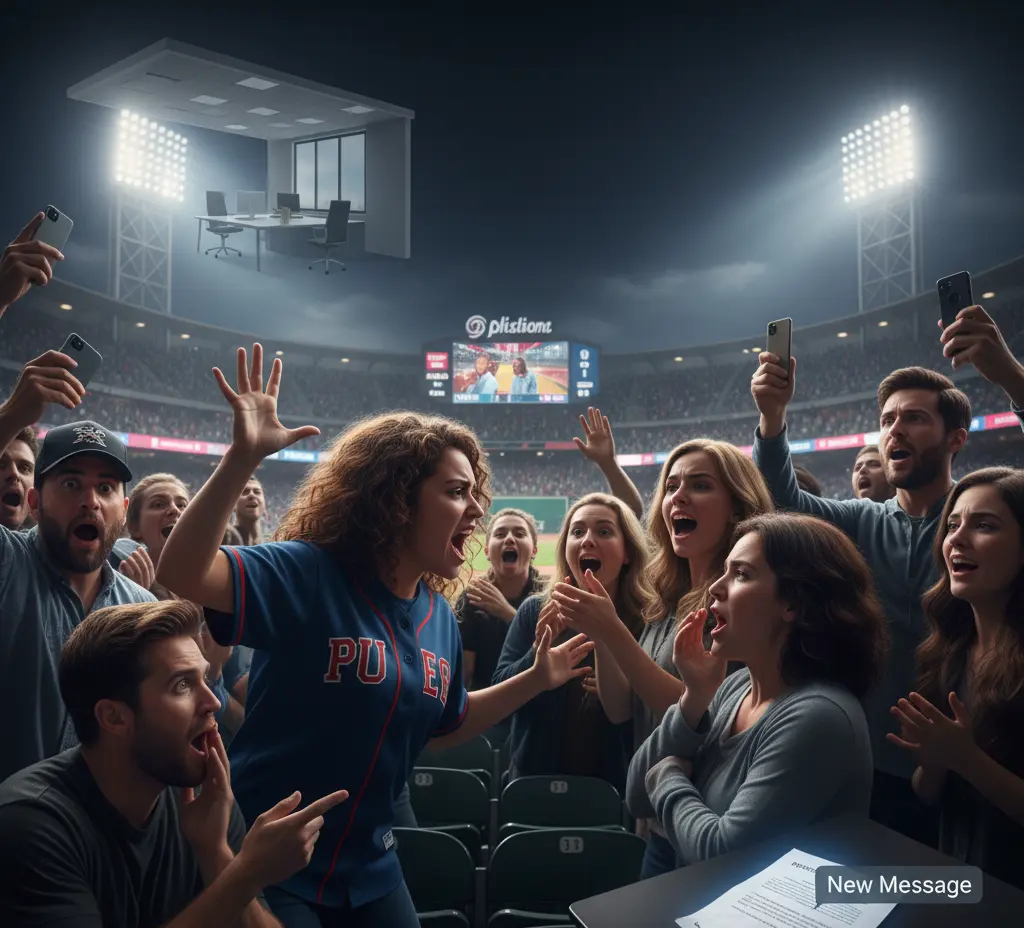
If you have ever shouted at a game and later cringed thinking about it, this one will hit a nerve. A Milwaukee Brewers fan fired went viral after telling a Los Angeles Dodgers fan, “call ICE,” during a playoff game in Milwaukee. Within a day, her employer cut ties, and the fallout kept rolling, from a stadium ban to a board resignation. The clip was loud. The consequences were louder.
Curious how off-work behavior can actually impact your career? See how Susan Lorincz’s job history shaped public perception.
The Incident: Setting the Scene
During Game 2 of the NLCS at American Family Field, a Dodgers fan filmed an exchange with a Brewers fan who, on camera, suggested calling U.S. Immigration and Customs Enforcement. The video took off online. The woman was identified as Shannon Kobylarczyk, and her employer, ManpowerGroup in Milwaukee, said she was placed on leave pending investigation, then confirmed that she was no longer with the organization. She also resigned from the Make A Wish Wisconsin board.
Why the Incident Went Viral
Sports stadiums are public stages now, and phones are part of the crowd. Words like “call ICE” carry more than smack talk. They carry politics, power, and fear, especially when directed at a Latino fan who later shared that he is a U.S. citizen and a Navy veteran. That mix travels quickly because people are not just watching a game anymore. They are watching each other. Employers know that. Teams know that. The line between personal behavior and professional consequences keeps moving closer to the field.
Concrete Steps Taken After the Video
ManpowerGroup said the employee was on immediate leave as the company investigated the incident, then announced she was no longer with the organization, citing a culture of respect, integrity, and accountability. The Brewers organization banned fans involved in the confrontation after reviewing the clip and statements, while noting that the Dodgers fan was ejected that night for disorderly conduct and public intoxication, with local police confirming no citation was issued. Make A Wish Wisconsin said Kobylarczyk resigned from its board. These actions are on the record, not just on social feeds.
The Other Party’s Perspective
The Dodgers fan, Ricardo Fosado, told local outlets that he did not want anyone losing a job over it, and that alcohol likely played a role. He described the back and forth as typical stadium banter that turned ugly only at that moment, and he voiced sympathy once he learned she had been fired. That take complicates the easy narrative of punishment equals justice. It also reminds everyone that once a video escapes the ballpark, the outcome is no longer up to the people in it.
Workplace Angle: Why This Matters Professionally
Employers today write codes of conduct that cover more than what happens on company property. If public behavior undermines an employer’s values or reputation, consequences can follow, especially for people in client-facing, legal, HR, or leadership roles. Companies in staffing and professional services, like ManpowerGroup, are hyper aware of brand and trust. When a clip like this hits millions of views, a fast, public decision is not just about values. It is about risk and signal. The decision says to clients and employees, this is the line, and we protect it.
Want to know how viral incidents affect employment outcomes? Check out Anji’s story in Jolly Good Christmas for a striking example.
Debate Around Fairness
One side says a private citizen at a game should not lose a career over a sentence, ugly as it was. The other side says some sentences tell you enough about judgment to justify a change in who represents a brand. In 2025, the practical answer is simple even if it is not comforting. Employers can and do act, quickly, when viral behavior clashes with policy or public commitments about inclusion. Contracts and local laws shape the details. The pattern is clear. Public conduct is part of the job now, whether or not your job title says so.
Stadium Policy Context
Teams are under pressure to make ballparks feel safe for all fans, which means faster bans for slurs and threats, even when security also removes the other party for unrelated reasons like intoxication. The Brewers’ statement did both, banning the fans in the video, and explaining why the Dodgers fan had been ejected that night. That combination looks messy at first glance. It reflects how venues manage crowds in real time, then make disciplinary calls after the fact when clearer evidence surfaces online.
Human Element and Viral Shame
Viral shame scales past the lesson anyone can learn from it. The person in the clip becomes a symbol, sometimes a caricature. The job loss becomes a headline. What disappears is the quiet space where people change their minds or repair a moment. That does not mean consequences are wrong. It means they are blunt. If you are the person with the phone in your hand next week, remember that a post can become a verdict in an hour, and that everyone in it will live with it long after your feed moves on.
Practical Advice for Workers
Three simple guardrails:
- Your off hours are not off camera. Assume any heated exchange in a public venue can surface at scale, with your name attached two hours later. Decide how you want to sound on playback before you open your mouth.
- Read your company’s code of conduct. If it links public behavior to employment, understand the thresholds. Roles tied to legal, staffing, HR, or client trust carry lower tolerance for reputational risk. That is not just policy. That is the market talking through your employer.
- If you are in the middle of a viral moment, get counsel, pause your feeds, and let statements come through the right channels. Apologies land better when they are timely and specific, but legal advice matters when employment, bans, or civil claims are in play.
Closing Perspective from the Stands
Most games end with strangers smiling at each other because the ritual itself does the work. A beer, a high five, a muttered “good game.” That is still the majority story. It is just not the story that goes viral. The clips we see over and over are the ones that test who we are when the stakes are trivial and the words are not. A job cannot fix that. A policy cannot either. People can, one choice at a time, especially when the scoreboard stops being the point and dignity becomes the win.
Learn how even routine blue-collar roles can teach lessons in professional accountability by reading the value of cleaning jobs.
Key Takeaway
After a viral clip of a Brewers fan telling a Dodgers fan to call ICE, the fan identified as Shannon Kobylarczyk was fired from ManpowerGroup, resigned from a Make A Wish board, and was banned from the stadium, while the Dodgers fan expressed sympathy and said he did not want her to lose her job over the exchange.
| Outcome | Party Involved | Reason / Statement |
| Fired from Job | Shannon Kobylarczyk | Violated ManpowerGroup’s code of respect & integrity. |
| Resigned Board Seat | Shannon Kobylarczyk | Resigned from Make-A-Wish Wisconsin board. |
| Stadium Ban | Both Parties | Both fans banned for life by the Milwaukee Brewers. |
| Ejection from Game | Ricardo Fosado | Ejected for “disorderly conduct and public intoxication”. |
Frequently Asked Questions (FAQs)
Q1: Can you legally be fired for something you said at a sports game?
Ans: Yes, most US employers have codes of conduct that cover off-duty behavior if it harms the company’s reputation.
Q2: What is a ‘Call ICE’ incident and why did it go viral?
Ans: It involved a confrontation that sparked a massive debate on inclusion and professional accountability.
Q3: Does a stadium ban affect your employment?
Ans: Directly no, but the public nature of a ban often triggers an internal HR investigation.